So, Basic or Advanced editing? To help you decide, here’s a detailed breakdown of our offerings.
Before diving into the editing itself, we perform a preliminary processing of your audio files. This involves reducing various types of noise, including reverb (room tone), and adjusting tone and dynamics to ensure a consistent and smooth audio experience. This preliminary step is applied to every audio file, regardless of the editing service selected.
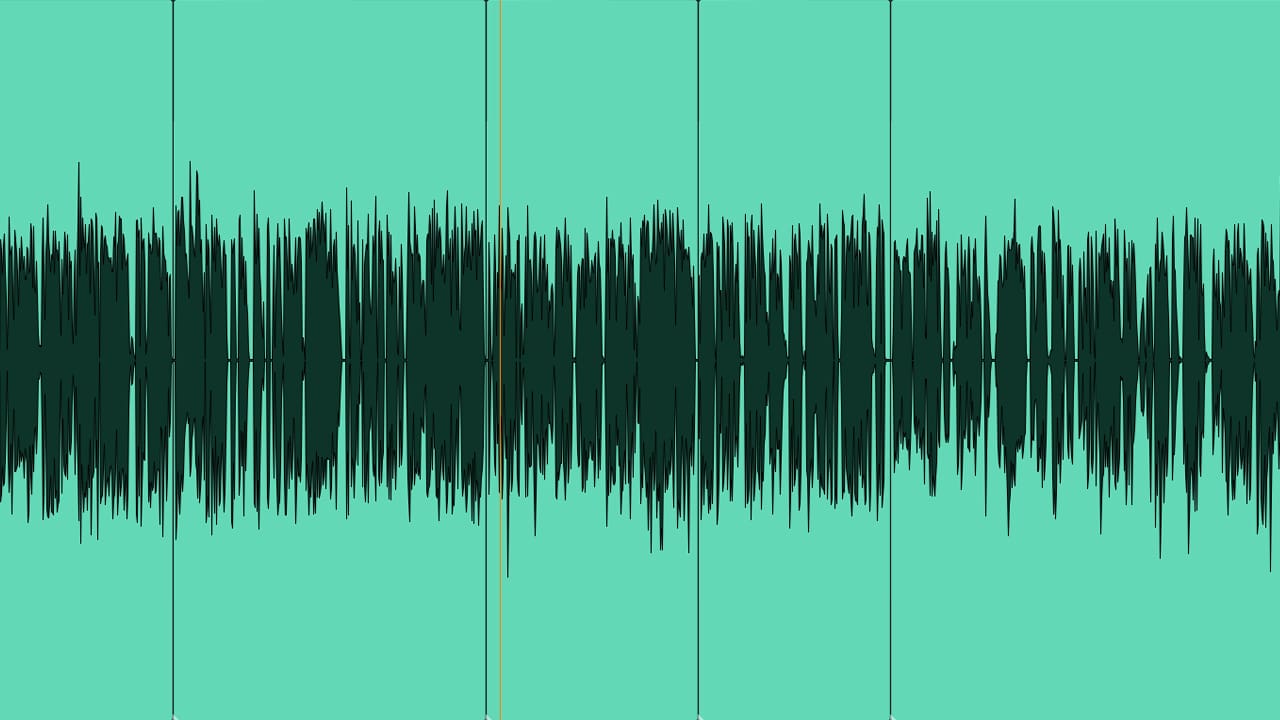
For Basic Editing, we focus on technical improvements to ensure a smooth listening experience. We remove long pauses and dead air, keeping the conversation flowing naturally, clean up audio “anomalies” that are identified using waveform editing tools. We precisely trim the audio at the beginning and end of your episode, removing any unnecessary silence or pre- and post-intro talking.
Additionally, we can accommodate specific cuts you provide. If you have sections you want removed for any reason, simply share the start and end timestamps, and we’ll handle those cuts for you. Here’s how it looks.

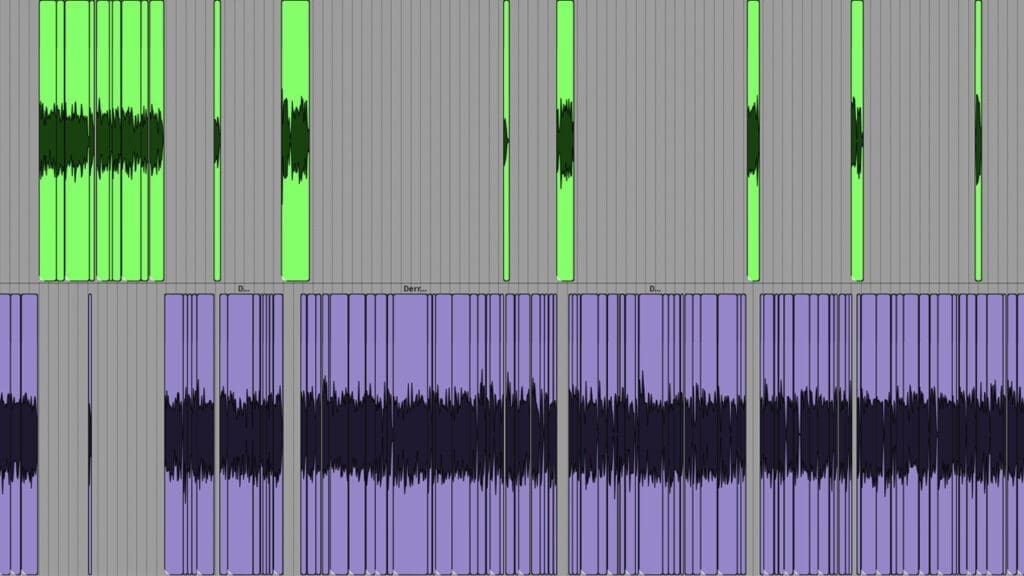
For Advanced Editing, in addition to all the above, we listen to the entire episode and make edits in real-time. This means we identify and remove filler words, coughs, stutters, repeated words, false starts, and other human errors and imperfections, as well as off-topic discussions. It is a time-intensive process, as we meticulously review the entire episode. The turnaround time and price will depend on the length of your raw audio. Here’s a visual representation.
So, which edit is right for you?
Basic Editing: Ideal for podcasts on a budget that need polishing and primarily technical editing. This is a great choice for interview-based shows or those with a limited budget
Advanced Editing: Perfect for podcasts aiming for a polished, radio-ready sound. This option is ideal for conversational shows or those looking for a professional end product.